MLB Park Factors: Stadium Effects on Game Totals
 Available in US
Factoring Stadium Dimensions into MLB Over/Under Totals
I once backed an over at a number that looked generous based on the two lineups involved – strong offences, average pitching. The game was at Oracle Park in San Francisco. Final score: 2-1. The marine layer swallowed every fly ball hit toward the outfield gaps. That loss was not bad luck; it was bad homework. The park factor should have been the first thing I checked, not the last.
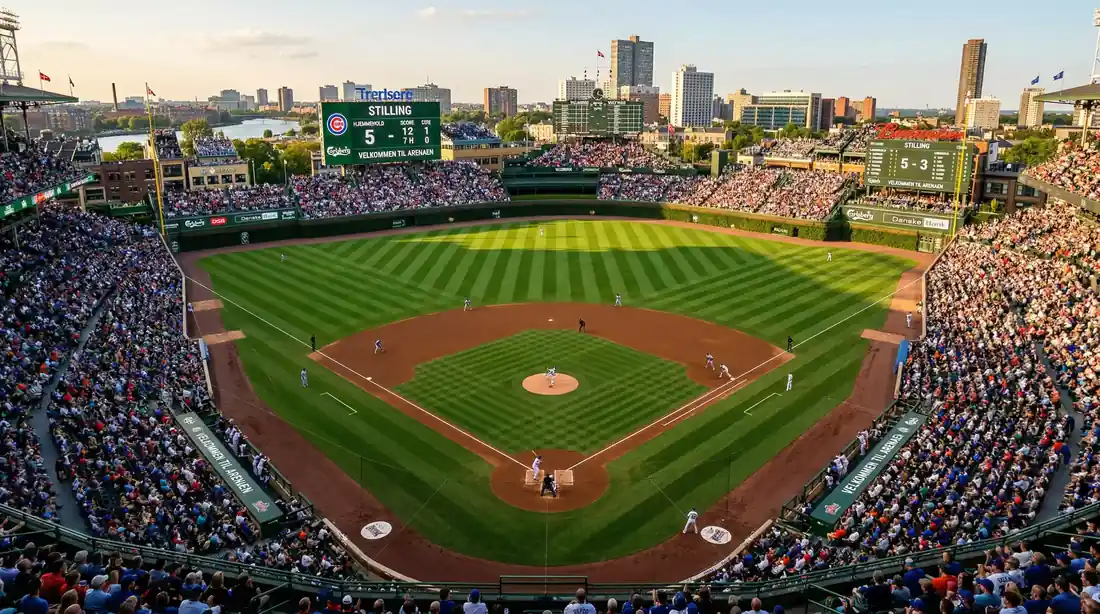
MLB generated a record $12.1 billion in revenue during the 2024 fiscal year, and the 30 ballparks that host those games are not interchangeable shells. Each one carries a unique scoring environment shaped by altitude, outfield dimensions, foul territory size, wind patterns, and even the type of grass. A game total of 8.5 means something entirely different at Coors Field than it does at Tropicana Field. Bettors who treat all venues the same are handing money to the market.
Hitter-Friendly Parks: Run Environment Rankings
Coors Field in Denver is the headline act, and for good reason. The thin air at 5,280 feet reduces drag on batted balls, allowing fly balls to carry further and breaking pitches to flatten out. Run scoring at Coors typically exceeds the league average by 20% to 30%, depending on the season. Totals for games in Colorado are routinely set one to two runs higher than the same matchup would receive at a neutral venue, and even then the over hits at an elevated rate because the adjustment is often insufficient.
Beyond Coors, several parks consistently rate as hitter-friendly. Fenway Park’s short left-field wall (the Green Monster) converts ordinary fly balls into doubles, inflating extra-base hit rates. Globe Life Field in Arlington plays as a moderate hitter’s park despite being enclosed, because the dimensions are generous in the gaps. Great American Ball Park in Cincinnati sits in a river valley that holds warm air and reduces wind resistance in the summer months, boosting home run rates above league average.
The key for bettors is not just knowing which parks are hitter-friendly, but knowing why. If a park inflates scoring because of home runs (Coors, Cincinnati), it matters more for HR props and game totals. If a park inflates scoring because of doubles and triples (Fenway), it matters more for total bases and hits props. The mechanism behind the park factor determines which markets offer the most value.
Pitcher-Friendly Parks: Where Unders Thrive
MLB attendance exceeded 71 million in 2024 – the highest since 2017 – and a significant portion of those fans packed into cavernous pitcher’s parks where low-scoring games are the norm. Oracle Park in San Francisco is the gold standard for suppressing offence. The deep outfield dimensions, heavy marine air, and cold night-time temperatures create an environment where fly balls die on the warning track. Totals for Giants home games consistently trend under at rates that outperform the league average by a wide margin.
Tropicana Field, the indoor home of the Rays, suppresses offence through a different mechanism: the artificial turf and contained environment reduce exit velocities slightly and eliminate weather-driven scoring spikes. Petco Park in San Diego plays as a moderate pitcher’s park, particularly in night games when the cooler Pacific air settles over the stadium.
I group pitcher-friendly parks into two categories for my modelling. The first is parks that suppress home runs: deep fences, heavy air, or enclosed environments. These parks affect game totals and HR props most directly. The second is parks that suppress hits generally: large foul territory (which creates extra outs on pop-ups), wide outfield gaps that allow defenders to cover more ground, or tricky wind patterns that knock down line drives. Understanding which type of suppression is at work helps me choose between betting the under on the game total or targeting specific player prop unders.
Park Factor Adjustments for Player Prop Markets
Player props are where park factors pay the clearest dividends, because the books do not always fully incorporate venue into individual player lines. A batter’s hits over/under might be set at 1.5 regardless of whether the game is at Coors or Oracle Park. The book adjusts the juice – the price on each side – but the line itself often stays static. That creates value for bettors who adjust their projections by park.
For strikeout props, the park factor works indirectly. Hitter-friendly parks do not necessarily produce more strikeouts, but the longer at-bats and aggressive swinging that thin air encourages can push pitch counts higher, leading to earlier bullpen usage. If a starter typically records six or more strikeouts per outing but is pitching at Coors, the adjusted expectation should account for the possibility that he faces fewer batters before being pulled. The K-prop over becomes slightly less attractive, even though the park is famous for offence rather than strikeouts.
Home run props are the most directly affected by park factors. A hitter’s anytime HR prop at Coors should be evaluated very differently from the same prop at Oracle Park. I maintain a simple multiplier for each park: Coors gets a 1.25x adjustment on HR probability, Oracle gets a 0.80x. These numbers are rough, but they prevent me from treating every venue identically – which is exactly what the public does, and exactly where the edge lives.
For a broader look at how environmental factors like wind, temperature, and humidity layer on top of park dimensions to shape totals outcomes, the comprehensive MLB betting statistics guide covers the full environmental picture.
Park Factors FAQ
How much does Coors Field inflate MLB game totals compared to league average?
Coors Field typically inflates run scoring by 20% to 30% above the league average, depending on the season and the specific weather conditions on game day. The altitude in Denver reduces air density, which allows batted balls to travel further and causes breaking pitches to flatten. Books set Coors totals one to two runs above equivalent matchups at neutral venues, but the over still hits at an elevated rate because the adjustment is often conservative.
Should bettors adjust strikeout prop targets based on park factors?
Yes, though the adjustment is indirect. Hitter-friendly parks do not increase strikeout rates directly, but they can lead to longer at-bats, higher pitch counts, and earlier exits for starters – all of which reduce the number of batters a pitcher faces and therefore his strikeout ceiling. Conversely, pitcher-friendly parks that suppress hard contact can extend outings and give starters more opportunities to rack up strikeouts. The adjustment is modest but meaningful across a full season of prop betting.
Published by the mlb Betting Statistics team.